Resistance
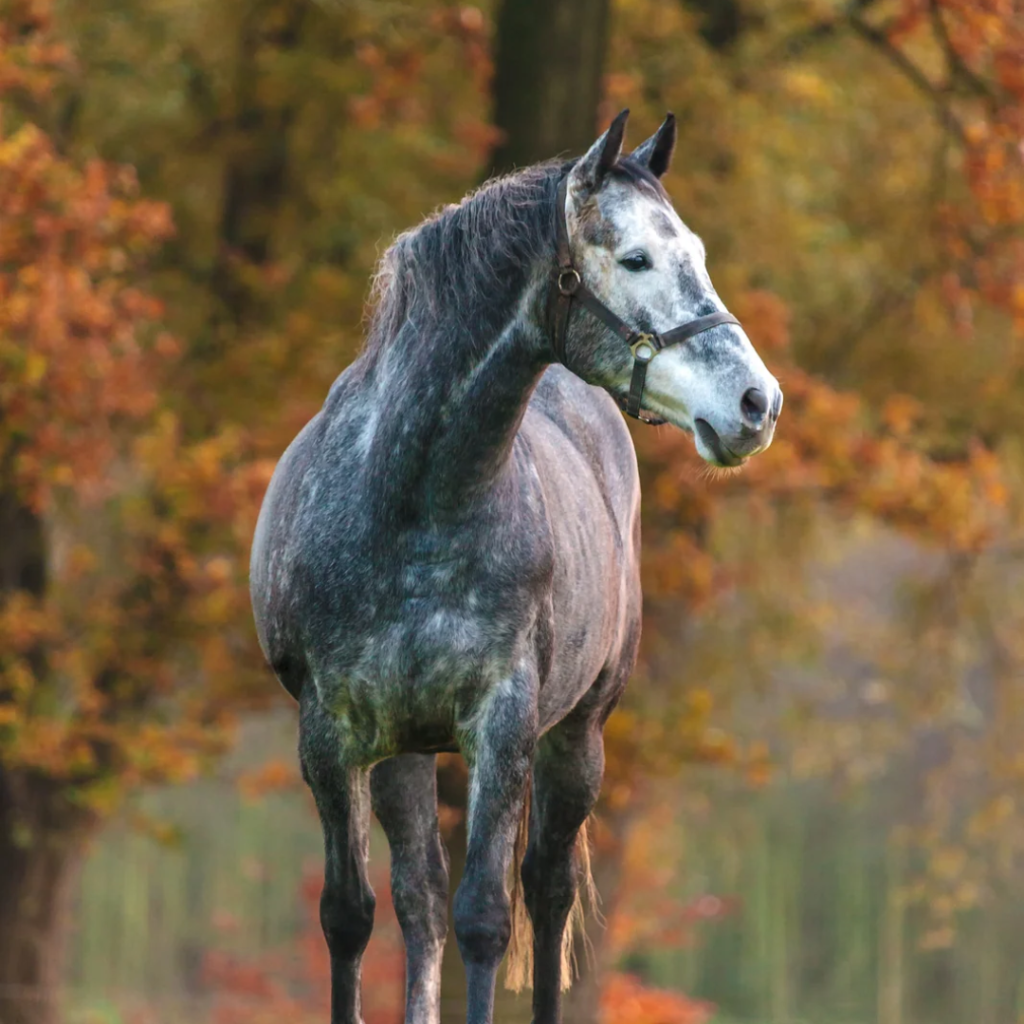
How do you support your horse’s natural resistance? A horse that is well-adjusted, has sufficient energy and feels comfortable. Of course, we all want that. Yet a horse’s body sometimes has to handle quite a lot. Think of changing temperatures, the transition to another season, intensive training, transport, or […]
Apparently we're doing something right...
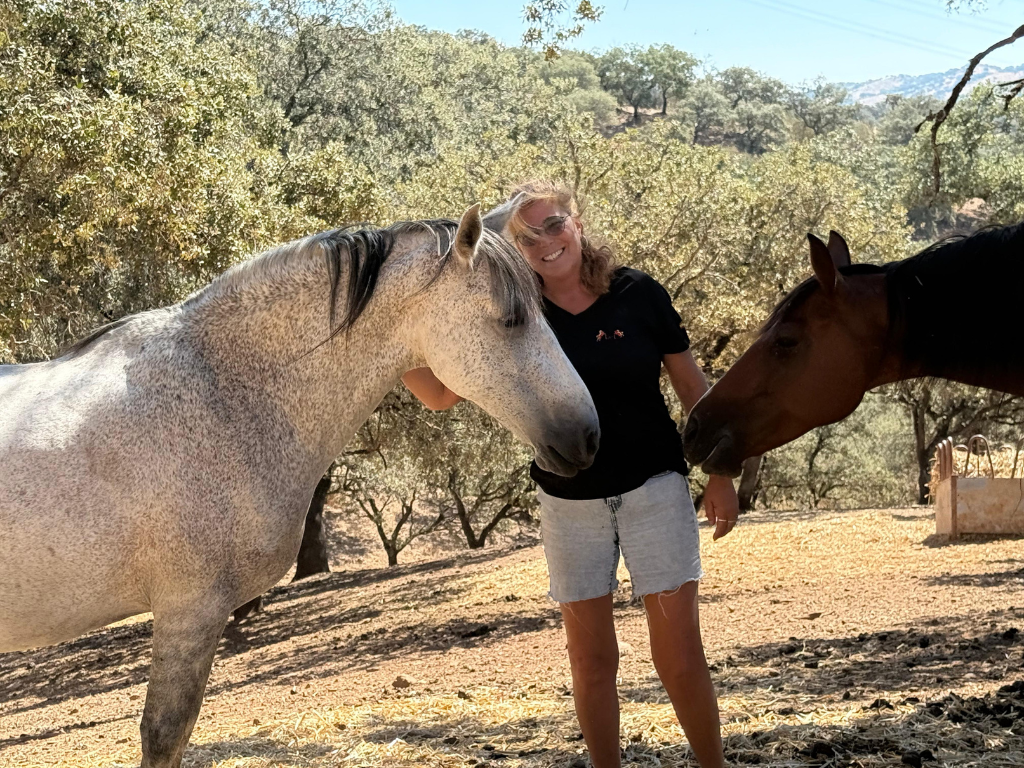
Sometimes you only realise how beautifully something is growing when you look back. More and more horse owners are finding their way to Unique. And what we perhaps find even better: a great many of them keep coming back. A large number of new clients first get in touch with Laura. They talk about their horse, ask their questions and want [...]
Meniscus problems
Meniscus problems in horses can occur when a meniscus in the knee joint becomes damaged or overloaded. The menisci play an important role in distributing and absorbing forces and contribute to the stability of the joint. When a meniscus is damaged or overloaded, a horse may show lameness, stiffness or reduced movement comfort. The […]
Laminitis: why targeted support makes all the difference
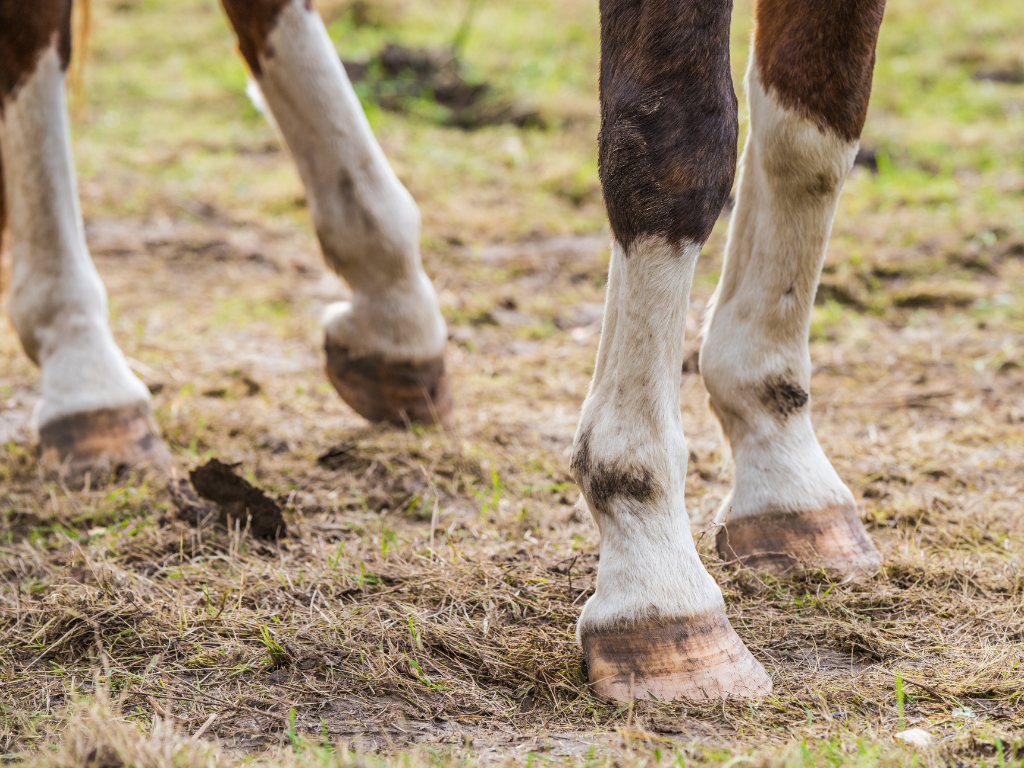
A general balancer provides a good foundation, but horses that are prone to laminitis sometimes require more targeted support. Discover why Unique CL20 is formulated differently.
Back and neck tension: recognise the signs
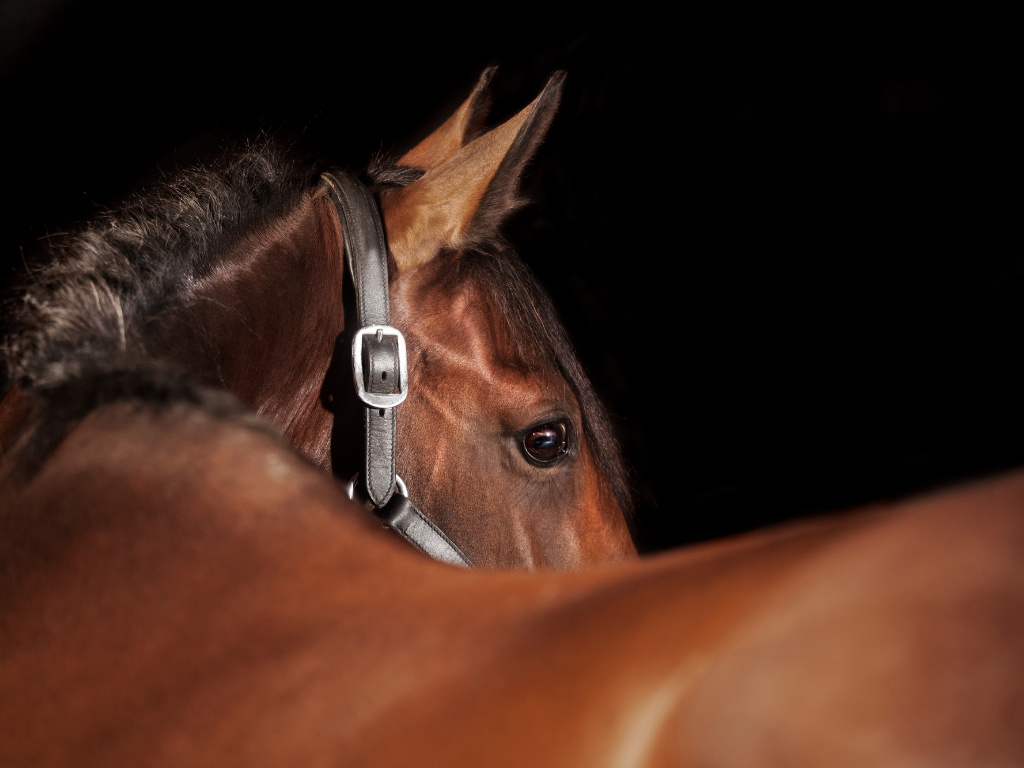
Is your horse moving less smoothly than before? Does it have difficulty bending, striking off, or does it react sensitively when being groomed ored? Back and neck tension occurs more often than many horse owners think and can have various causes. It is important to recognise the signs in good time and have the underlying cause investigated. Read more […]
Mould in horses? We're seeing it more often again right now.
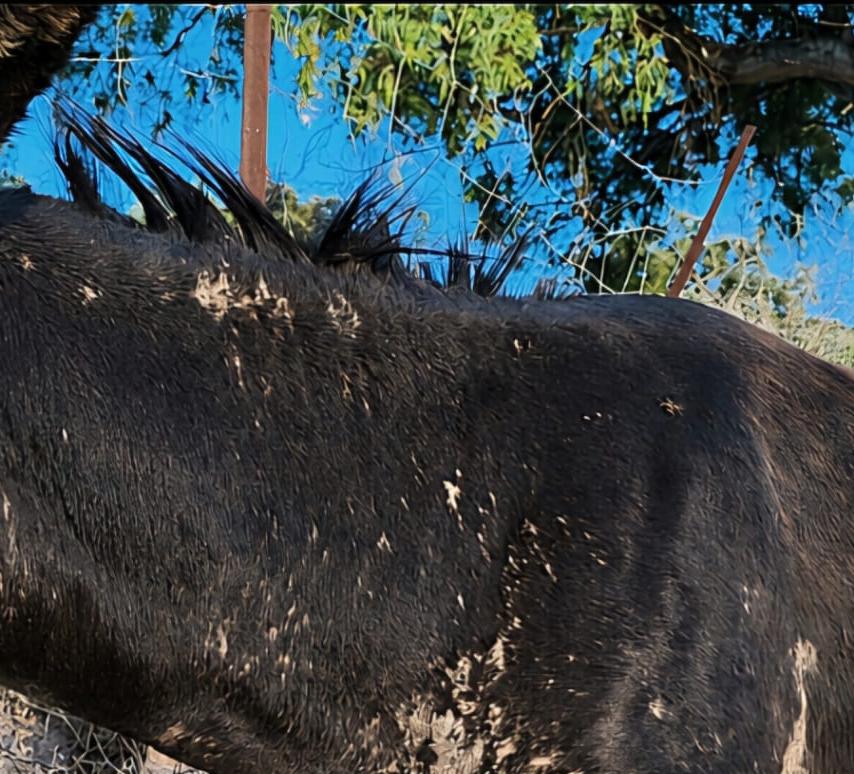
Warm days, humid nights and a lot of contact between horses make it easy for ringworm to spread. Do you see round bald patches or scabs? Don't wait too long to check. We have therefore created an extensive knowledge page where you can read how to recognise ringworm, how it arises, which treatment is often used and how […]
Rain rot
Rain rot is a common skin condition that is often mistaken for fungus. However, it is something different. Rain rot is caused by a bacterium and primarily occurs when the skin remains moist for extended periods. The condition is most common during warm, wet spells or when horses remain wet for a long time under a rug or after rain. Also [...]
Mould
Mould (or ringworm) is a common skin condition in horses. Especially during warm and humid periods, or when horses have intensive contact with other horses, a fungal infection can spread easily. The condition is contagious and requires a targeted approach. Fortunately, mould is treatable in most cases, especially when addressed early on […]
Gut health
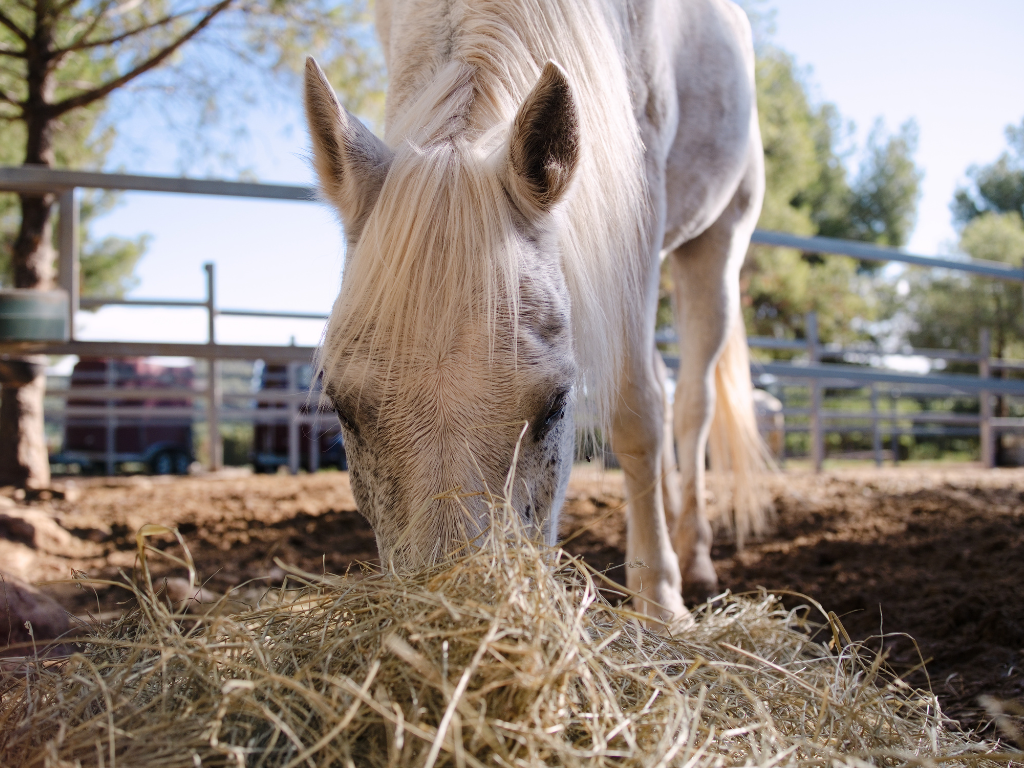
Why is a healthy gut so important? A healthy gut is much more than just good digestion. The intestines play an important role in the absorption of nutrients, resistance, energy balance, and the general well-being of a horse. When gut health becomes unbalanced, it can manifest in various ways. Consider […]
Meltwater
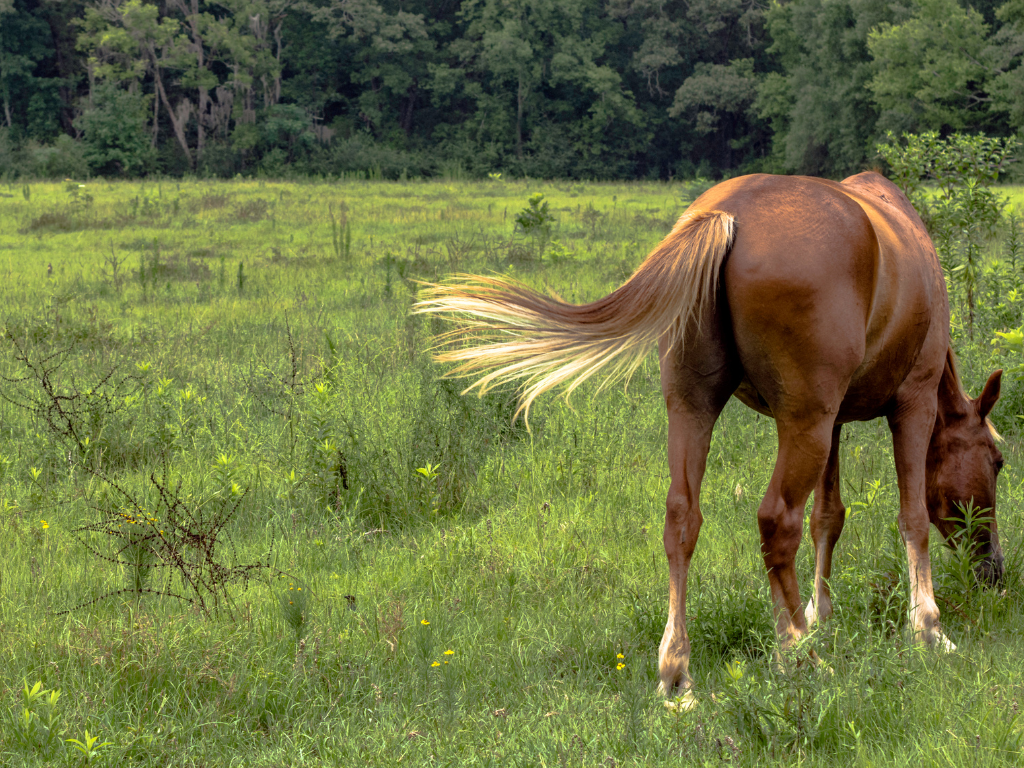
Dung often tells more about a horse's health than many people realise. Does the dung change in structure, does residue remain on the tail, or does faecal water occur? Then that is often a signal that gut health requires extra attention. Faecal water occurs regularly in horses and ponies. Although some horses have it [...]