Rain rot
Rain rot is a common skin condition that is often mistaken for fungus. However, it is something different. Rain rot is caused by a bacterium and primarily occurs when the skin remains moist for extended periods. The condition is most common during warm, wet spells or when horses remain wet for a long time under a rug or after rain. Also [...]
Mould
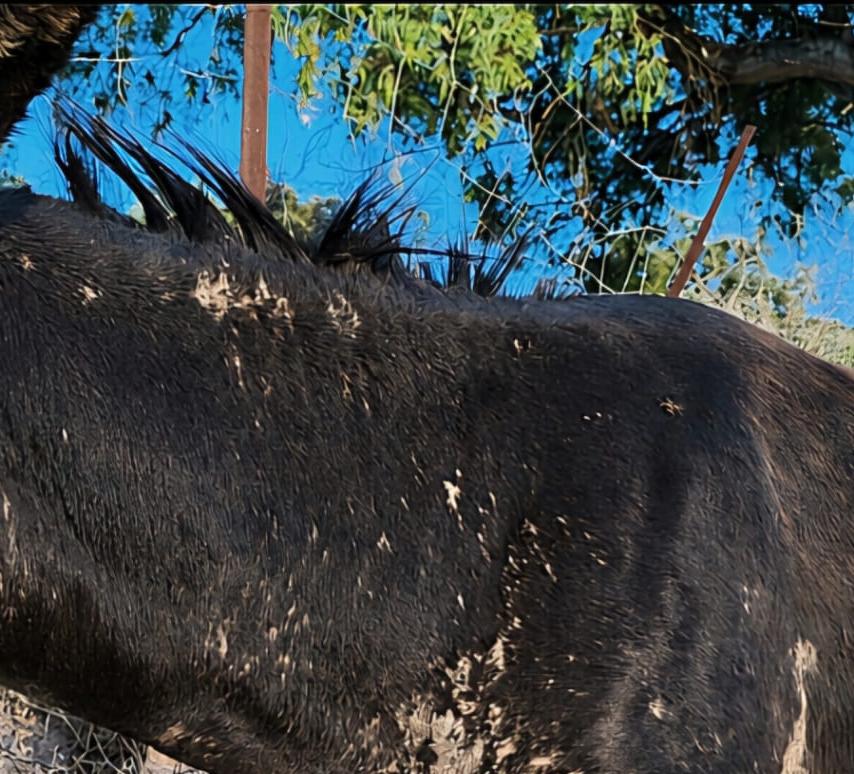
Mould (or ringworm) is a common skin condition in horses. Especially during warm and humid periods, or when horses have intensive contact with other horses, a fungal infection can spread easily. The condition is contagious and requires a targeted approach. Fortunately, mould is treatable in most cases, especially when addressed early on […]
Gut health
Why is a healthy gut so important? A healthy gut is much more than just good digestion. The intestines play an important role in the absorption of nutrients, resistance, energy balance, and the general well-being of a horse. When gut health becomes unbalanced, it can manifest in various ways. Consider […]
Meltwater
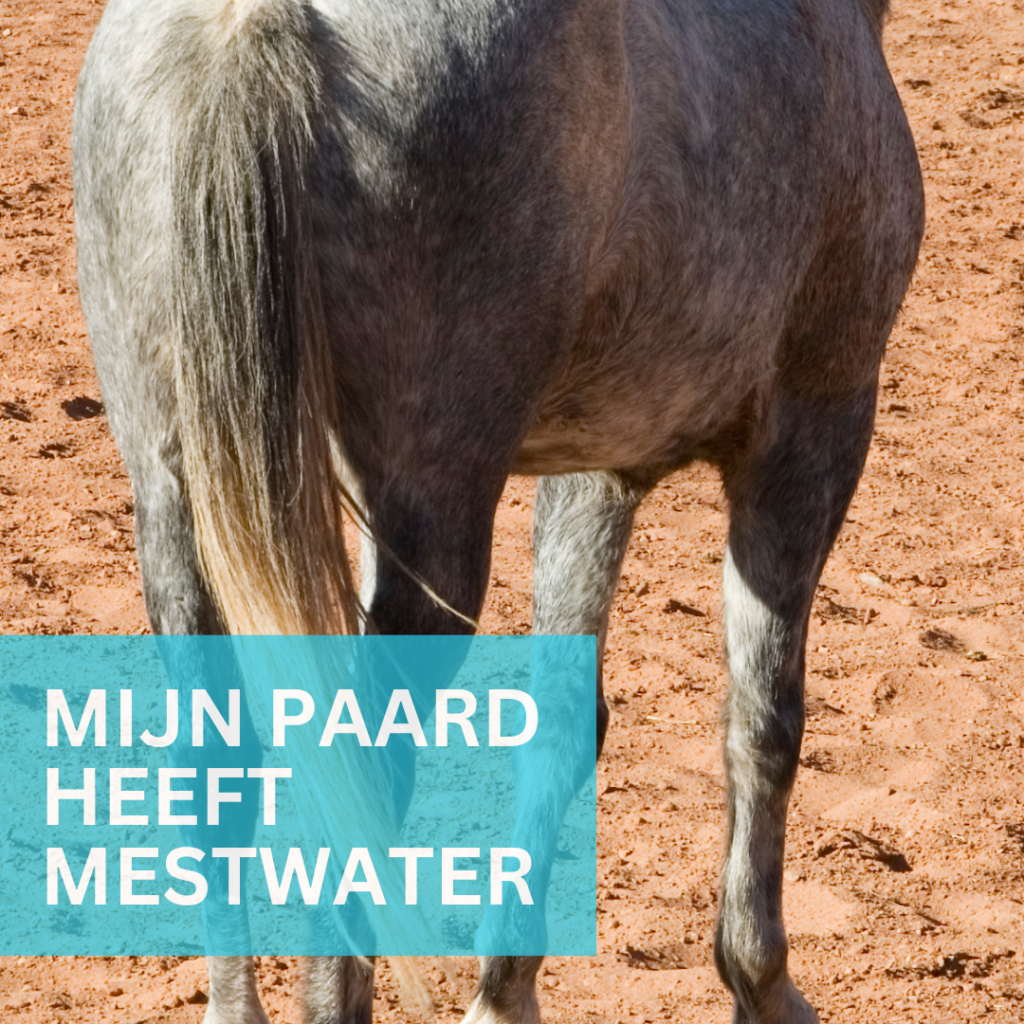
Dung often tells more about a horse's health than many people realise. Does the dung change in structure, does residue remain on the tail, or does faecal water occur? Then that is often a signal that gut health requires extra attention. Faecal water occurs regularly in horses and ponies. Although some horses have it [...]
Heat stress
Heat stress in horses is still often underestimated during warm summer days. Horses lose heat less efficiently than humans and overheat more quickly at high temperatures, especially during exertion, transport, or prolonged exposure to sun and heat. Through sweating, a horse loses not only a lot of fluid but also important electrolytes such as sodium, potassium, magnesium and […]
Weight gain
Weight gain or difficulty losing weight in horses often has more causes than just nutrition. Consider hormonal disturbances, insulin resistance, slower metabolism, seasonal influences or changes in age. Stress or limited exercise can also play a role. If you notice that your horse continues to gain weight despite adjusted feed and exercise, or develops fat deposits (e.g. on neck, shoulders [...]
Liverbot
Liver fluke is a parasite that can lodge in the liver and bile ducts and cause damage and irritation there. Infection usually occurs by ingesting larvae while grazing, especially on wet or swampy pastures where snails are present. Liver fluke is more common in areas with ditch banks and wet grassland, and can also [...]
Sport horses
Sport horses deliver top performance every day. Intensive training, competitions and repetitive strain place heavy demands on joints, tendons, muscles and connective tissue. Without targeted support, these loads can accumulate and lead to stiffness, reduced performance or long-term overload. What happens during intensive loading? In sport horses, the musculoskeletal system and the ability to recover are continuously tested. [...]
Older horses
As horses age, the musculoskeletal system changes. Cartilage wears down, joints become stiffer and muscles and connective tissue lose resilience. Many older horses move less smoothly, have difficulty starting up or recover more slowly after exercise. Targeted support is essential to maintain comfort, mobility and quality of life. What happens in older horses? With ageing [...]
Kissing spines
Kissing spines is a condition where the spinous processes of the vertebrae in the back get too close together or touch. This causes pain, stiffness and restriction of movement. Horses with kissing spines often show reduced performance, difficulty bending, tension in the back and sometimes behavioural changes under saddle. The condition often arises from [...]